1. Talk and set goals
The team starts with the resident, or the caller if the resident is not available. Goals, worries and deadlines shape the whole plan.
Washington, IA · Washington County
A landlord deadline, a hospital discharge or a family visit is often what prompts the call. In Washington, (877) 812-4220 is the number to ask about sorting, hauling, cleaning and odor removal without judgment.
If anyone is in danger, call 911 first. For a suicide crisis, call or text 988.
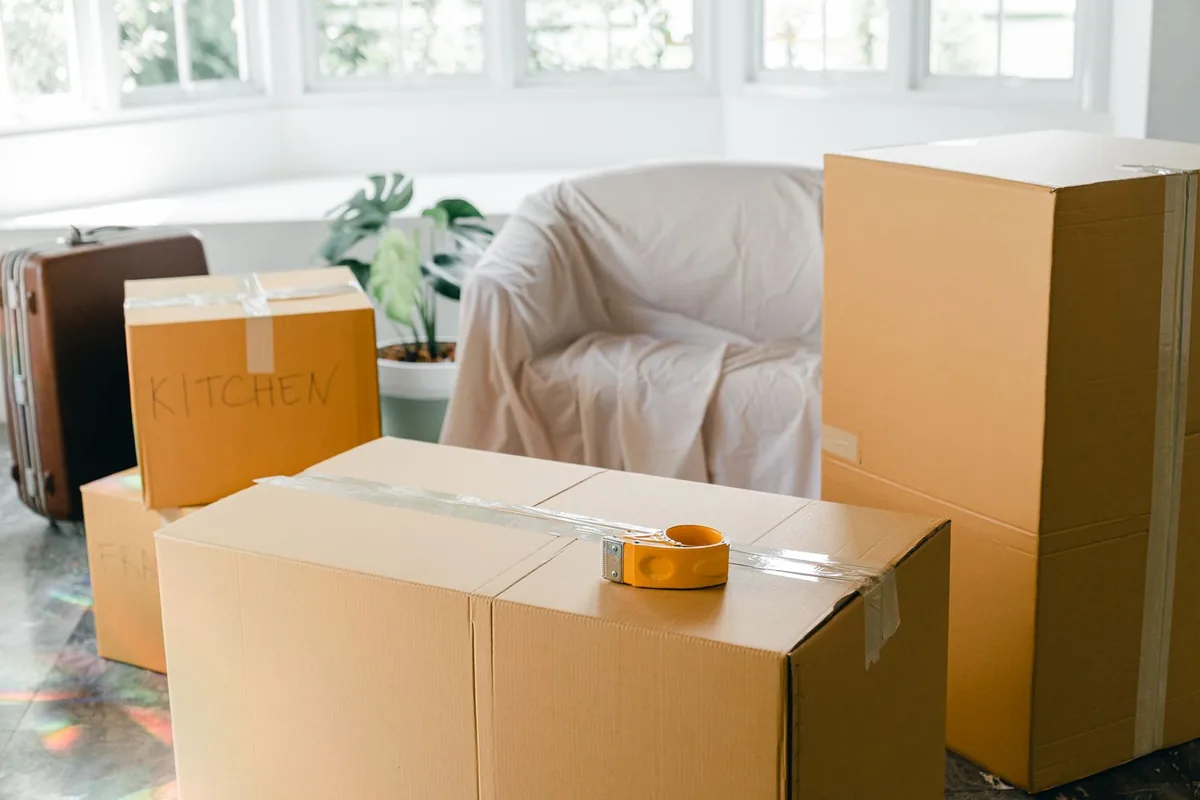
A hoarder cleanup is a respectful, paced clearing of a home with heavy buildup. The resident decides what stays, and the crew does the lifting, removal, cleaning and odor control.
Your house, mobile home, apartment or storage area in Washington can get hoarder cleanup that follows OSHA bloodborne pathogen rules when blood or sharp objects are found. Call Washington Biohazard Cleanup Help for help in Washington County.
Typical homes in Washington date to around 1955, and a house that old may hide moisture, pests or weak spots under heavy piles. About 39% of older adults in Washington live alone, so a crowded home can go unnoticed until a fall or a hospital stay.
Hoarding Cleanup in Washington usually includes:
The team starts with the resident, or the caller if the resident is not available. Goals, worries and deadlines shape the whole plan.
A team member checks exits, stairs, utilities, pests and hazards. Findings are shared in plain words, without labels.
Items go into keep, donate and remove groups. Spoiled food and unsafe items leave first.
Rooms are cleaned and the team shares ideas for keeping spaces open. Support from a doctor, counselor or local group can be part of that plan.
Most hoarding cleanup jobs in Washington, IA cost between $500 and $25,000, based on published cost guides.
The cost of hoarding cleanup depends first on the size of the home and how much needs to be sorted and hauled. One crowded room is a very different job from a full house.
| Type of job | Typical range |
|---|---|
| Most homes, per square foot | $1 - $2 per square foot |
| Level 5, severe | $10,000 - $25,000+ |
| Level 1, light | $500 - $1,500 |
| Level 3 | $2,000 - $5,000 |
Estimates only, not a quote. Sources: Dropcurb, Lifecycle Transitions. Price drivers include level of accumulation, home size, whether exits and rooms are blocked, pests or animal waste. Call (877) 812-4220 to talk through the job.
Start with safety, then sort, remove and clean in that order. Exits and fire hazards come first, then spoiled food and unsafe items, then deep cleaning of kitchens and bathrooms. The resident decides what stays, and a cleanup team can handle the heavy parts.
Yes. A regular cleaning assumes surfaces are reachable and the items stay. Hoarding cleanup includes sorting, hauling, hazard checks, protective gear and disposal, and then a deeper clean of kitchens, bathrooms and floors.
Usable items go to donation or recycling where possible. Spoiled, damaged or unsafe items are disposed of correctly, and waste that may carry germs is handled as regulated medical waste.
Often a lease or local housing or fire rules allow a landlord to set a deadline for safety. A tenant rights group, a code office or an attorney can explain what applies. A cleanup team can often work toward a deadline.
Usually not for the buildup itself, since many policies exclude long-term conditions. A policy may help with a specific event such as a fire, a leak or a sewage backup. Read the policy, call the insurer before work starts, take photos and keep receipts.
A crew with enough people and a clear plan, working room by room. Going fast without the resident's agreement often backfires, though, and the home can fill again. Clearing exits and hazards first is the quickest way to make a real safety difference.
Ask about sorting, hauling, cleaning and a pace that fits the resident.
Call (877) 812-4220